- A lost filling or crown is a common dental emergency that should be assessed promptly, even if pain is mild.
- Rinsing the mouth, protecting the exposed tooth and avoiding chewing on that side can reduce discomfort and further damage.
- Temporary dental materials from a pharmacy may help protect the tooth until you see a dentist.
- Most cases are not life-threatening but still require timely professional care to prevent infection or fracture.
- Early treatment is usually simple and less costly than delaying care.
Losing a dental filling or crown can happen suddenly. You might notice it while eating, brushing your teeth or even waking up in the morning. For families in Newcastle, this situation often raises the same urgent questions. Is this an emergency? What should I do right now? How quickly do I need to see a dentist?
Understanding the right first steps can protect your tooth, reduce pain and prevent a small issue from becoming a larger dental problem.
Why Fillings and Crowns Fall Out
Dental restorations are designed to last for many years, but they are not permanent. Over time they can loosen or detach due to:
- Tooth decay developing underneath the restoration
- Wear and tear from chewing or grinding
- Trauma from biting hard foods or injury
- Ageing dental cement or bonding materials
When a filling or crown comes out, the underlying tooth structure is often exposed and vulnerable. Without protection, the tooth can become sensitive, infected or fractured.
Step-by-Step First Aid at Home
If you lose a filling or crown, try to stay calm. In most cases the situation is manageable until you can see a dentist.
1. Rinse Your Mouth Gently
Use warm salt water to clean the area and remove debris. This helps reduce bacteria and soothe irritated tissue.
2. Check for Pain or Sharp Edges
If the exposed tooth feels sharp, dental wax or sugar-free chewing gum can be placed over the area temporarily to protect your tongue and cheek.
3. Save the Crown if Possible
If a crown has fallen out, keep it in a clean container and bring it to your dental appointment. In some cases it can be re-cemented.
4. Protect the Tooth
Avoid chewing on the affected side and stay away from very hot, cold or sugary foods that may trigger sensitivity.
Over-the-counter temporary dental filling material from a pharmacy can sometimes cover the exposed area until treatment.
5. Contact a Dentist Promptly
Even if discomfort is mild, professional assessment is important. Delaying treatment increases the risk of decay, infection or tooth fracture.
Is It a Dental Emergency?
A lost filling or crown is usually considered an urgent dental issue, but not always a hospital emergency. The level of urgency depends on symptoms.
Seek Same-Day Dental Care If You Notice:
- Significant pain or throbbing
- Swelling in the gums or face
- Sensitivity that lingers after eating or drinking
- Bleeding or signs of infection
These symptoms may indicate nerve involvement or infection that requires immediate treatment.
Book a Prompt Appointment If:
- There is little or no pain
- The tooth feels rough or sensitive
- The crown or filling has simply come loose
Even without pain, the exposed tooth remains vulnerable and should be treated soon to avoid complications.
What a Dentist Will Do
Treatment depends on the condition of the tooth and the restoration.
Possible solutions include:
- Replacing the filling if the tooth structure is still sound
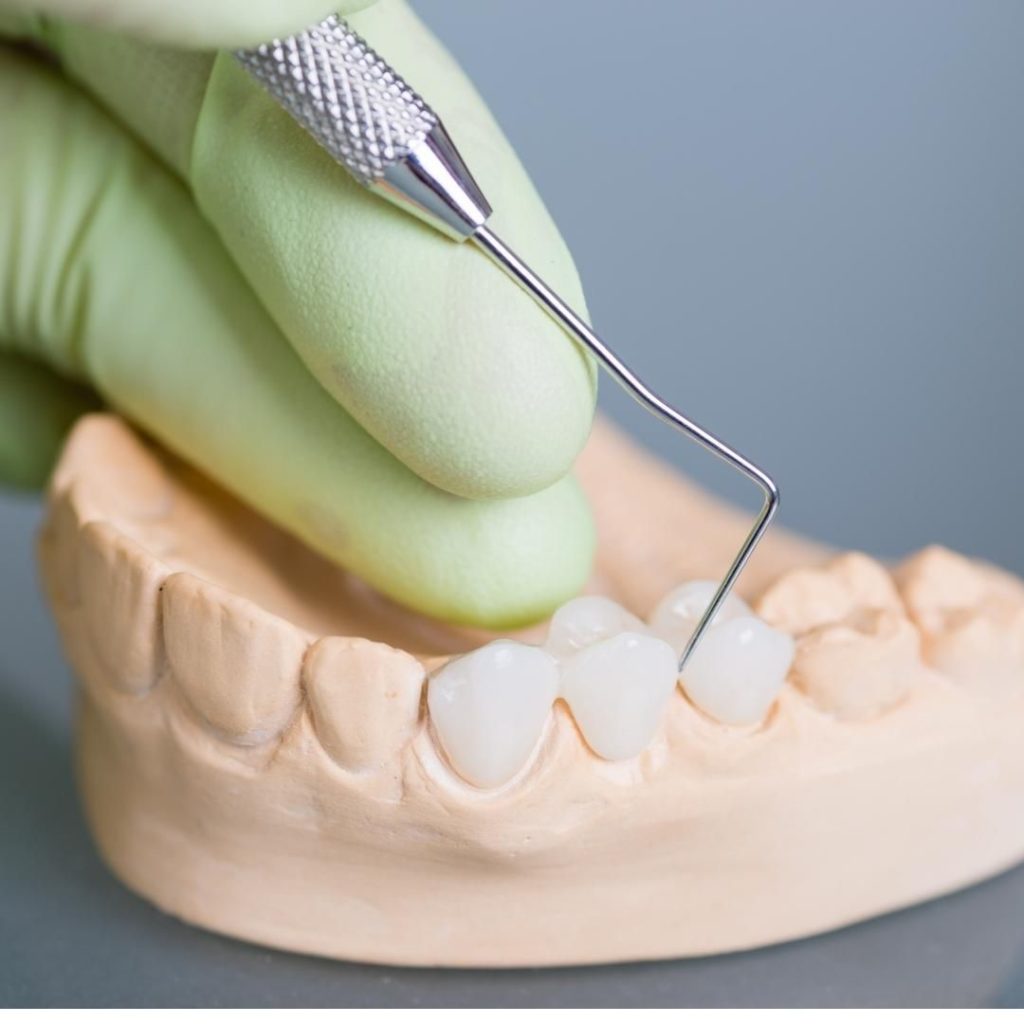
- Re-cementing the crown if it is intact and the tooth underneath is healthy
- Creating a new crown if the old one is damaged or decay is present
- Root canal therapy if infection has reached the pulp
- Extraction and replacement only when the tooth cannot be saved
In many cases, prompt care allows for a straightforward repair completed in a single visit.
Why You Should Not Delay Treatment
Waiting too long after losing a filling or crown can lead to:
- Increased tooth sensitivity or pain
- Bacterial infection inside the tooth
- Tooth fracture that makes restoration impossible
- More complex and costly treatment later
Early dental care is almost always simpler, faster and more affordable than treating advanced damage.
For busy Newcastle families, acting quickly helps minimise disruption and protects long-term oral health.
Preventing Future Problems
While not every lost restoration can be avoided, a few habits reduce the risk:
- Attend regular dental check-ups and hygiene visits
- Address tooth decay early before it weakens restorations
- Avoid biting very hard foods such as ice or hard lollies
- Use a night guard if you grind your teeth
- Seek dental advice if a crown or filling feels loose
Preventive care remains the most reliable way to avoid unexpected dental emergencies.
Final Thoughts
A lost filling or crown can feel alarming, but the right response makes a big difference. Gentle cleaning, temporary protection and prompt dental care usually lead to a simple and effective solution.
The key message for Newcastle families is this: do not ignore the problem, even if it does not hurt yet. Early treatment protects the tooth, reduces discomfort and avoids more complex procedures.
If you experience a lost filling or crown, contact Morrin Dental for timely emergency care and clear guidance on the next steps. Our team is here to restore comfort, function and peace of mind as quickly as possible.