
- Dental care evolves as children grow. Each stage has unique needs from infancy through the teen years.
- Early habits set the foundation for long-term oral health and confidence.
- Regular dental checks align with key developmental stages to prevent problems and intervene early.
- Parents play a vital role in care at home, and guidance from dentists supports that at every stage.
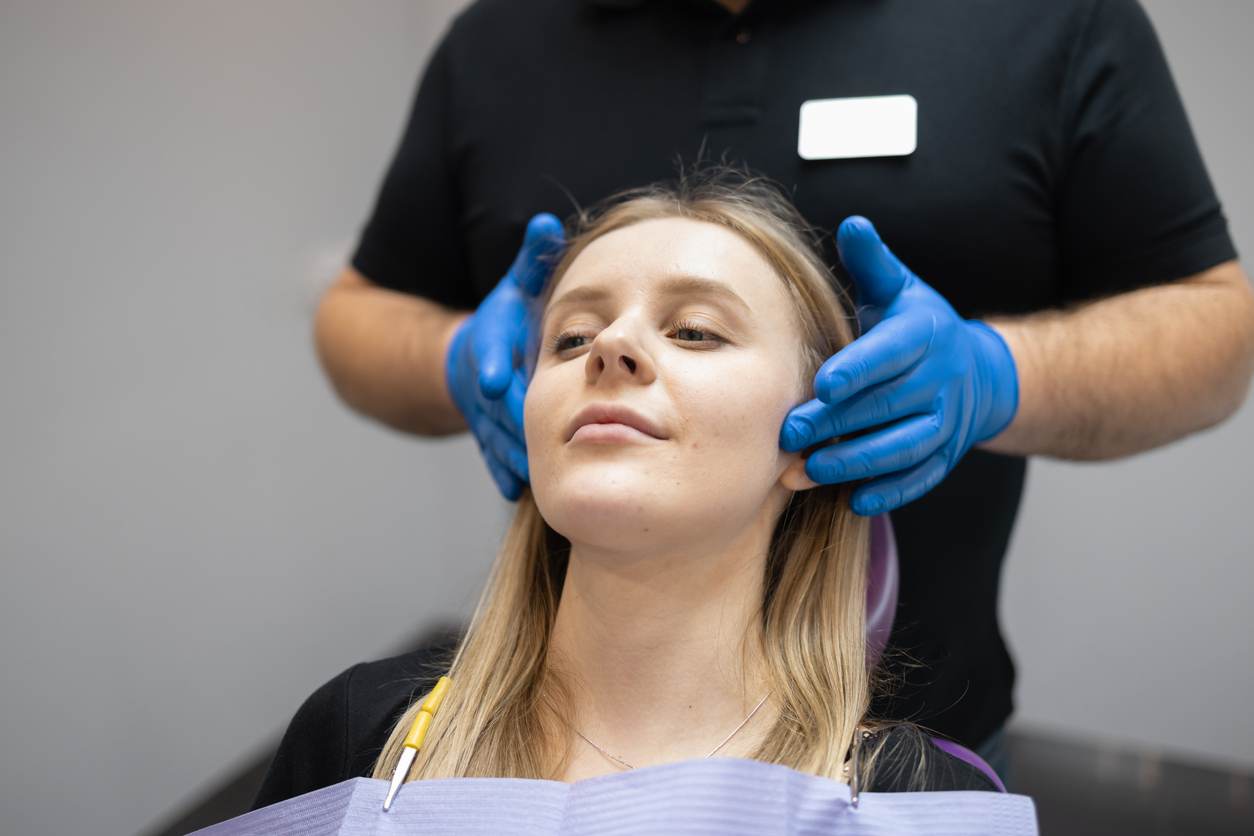
- Orthodontic assessment often begins in the early teen years but can occur earlier based on development.
Healthy teeth are essential for a child’s development, eating well, speaking clearly and feeling confident. But the dental needs of a newborn are very different to those of an eight-year-old or a teenager. Understanding how dental care changes as your child grows helps you prepare for each stage with the right routine, support and preventive care.
At Morrin Dental in Newcastle, our children’s dentistry team walks families through these stages so parents feel confident about what to expect and how best to care for growing smiles. Here’s a practical guide by age group.
0–3 Years: First Teeth Come In
What Happens
Babies generally begin to get their first teeth around 6 months of age. These are the primary or “baby” teeth. Full primary sets often appear by age 2 to 3 years.
Why It Matters
Healthy baby teeth help your child chew food, speak more clearly and maintain space for permanent teeth. They also influence lifelong dental habits.
How to Care
At Home
- Clean gums with a soft, damp cloth before teeth emerge.
- Once the first tooth appears, use a small, soft toothbrush with a rice grain amount of fluoride toothpaste.
- Avoid sugary drinks in bottles or sippy cups, especially before sleep.
Dental Visits
- Schedule your child’s first dental visit around their first birthday or when the first tooth erupts.
- These early appointments are about comfort, checking development and guiding parents on daily care.
Key Focus
Encourage positive experiences with the dentist early to reduce dental anxiety later.
4–7 Years: Losing First Teeth and Growing Up
What Happens
Between ages 4 and 7, children begin losing baby teeth and growing their first permanent teeth. The first molars and incisors often arrive around age 6.
Why It Matters
This is a transitional stage where both baby and permanent teeth are present. It is critical to manage hygiene carefully to avoid cavities in new permanent teeth.
How to Care
At Home
- Brush twice daily with a pea size amount of fluoride toothpaste.
- Introduce flossing once two teeth touch.
- Encourage healthy snacks like fruit and vegetables instead of sugary treats.
Dental Visits
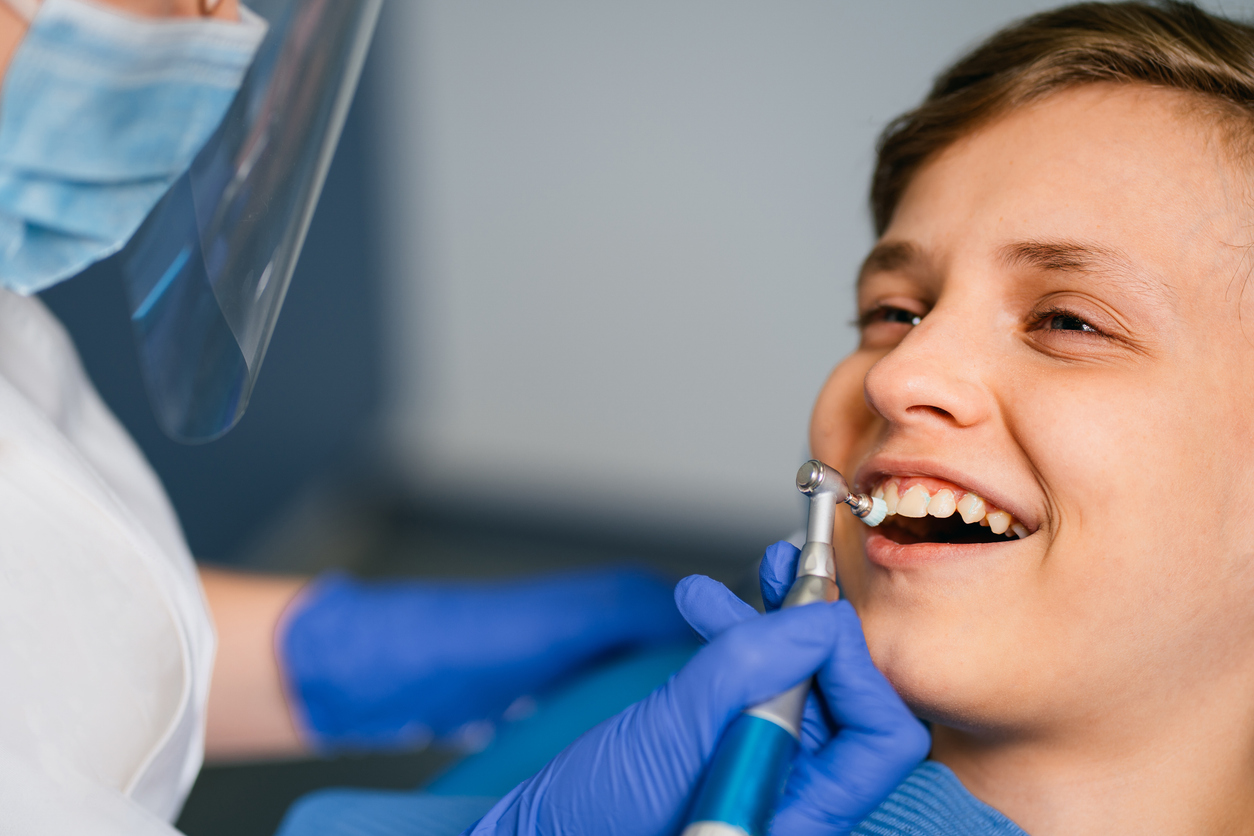
- Check-ups every 6 months help monitor eruption patterns and catch any decay early.
Special Focus
Look out for uneven wear or bite changes. These can be early signs that a child might benefit from an orthodontic assessment later.
8–12 Years: Mixed Teeth Stage
What Happens
Around ages 8 to 12, children have a mix of baby teeth and permanent teeth. The second permanent molars typically arrive around age 12.
Why It Matters
This stage is key for establishing lifelong dental habits and monitoring alignment, crowding or spacing issues.
How to Care
At Home
- Make brushing fun and consistent.
- Supervise flossing until your child does it well alone.
- Help children understand the importance of daily hygiene and nutrition.
Dental Visits
- Continue 6-monthly visits for hygiene, early decay detection and bite evaluation.
- Fissure sealants may be recommended on permanent molars to protect deep grooves from decay.
Early Orthodontic Signs
Your dentist may evaluate for signs of crowding or bite issues. Early orthodontic intervention may be recommended in some cases, although full braces are often timed later.
Teens (13–17 Years): Permanent Set and Alignment Focus
What Happens
By the teen years, most children have their full set of permanent teeth, including wisdom teeth that may erupt later. Growth changes can influence alignment.
Why It Matters
This period is ideal for orthodontic correction and reinforcement of strong hygiene habits that protect teeth into adulthood.
How to Care
At Home
- Continue brushing twice a day and daily flossing.
- Teens with braces or aligners need extra care with cleaning around brackets or trays.
- Limit energy drinks, sodas and acidic drinks that can erode enamel.
Dental Visits
- Maintain regular 6-monthly check-ups and hygiene appointments.
- Discuss whitening or cosmetic concerns if appropriate.
- Wisdom tooth development can be monitored through imaging.
Orthodontic Assessment
Many teens start braces or clear aligner therapy between 13 and 15 years. Early evaluation helps plan timing and approach.
Orthodontic Assessment: When and Why
When to Start
Orthodontic assessment often begins once most permanent teeth have erupted, typically around 10–12 years. However, earlier assessment can be beneficial if:
- Teeth are crowded or misaligned
- Bite issues are present (overbite, crossbite, open bite)
- Jaw pain or unequal growth is noticed
What to Expect
Your dentist will evaluate jaw development, tooth alignment and bite patterns. If needed, referrals to a specialist orthodontist can be made. Early intervention may simplify later treatment.
Common Questions Parents Ask
Do baby teeth really matter if they will fall out?
Yes. Baby teeth guide permanent teeth into the right positions and support speech and eating development.
Can my child get cavities even with good brushing?
Yes. Decay can still occur between teeth, under shallow grooves, or after sugary snacks. Dental check-ups and flossing help prevent this.
What if my child fears the dentist?
Bring them to check-ups early and regularly. A supportive, caring environment helps build trust. At Morrin Dental we make visits calm and positive.
Tips for Every Stage
- Always use fluoride toothpaste appropriate for age.
- Keep sugary drinks and snacks to a minimum.
- Establish brushing and flossing as daily habits.
- Maintain regular dental appointments every 6 months or as recommended.
- Ask your dentist about sealants or protective treatments suited to your child’s needs.
Final Thoughts
Dental care is not one-size-fits-all. It evolves with your child’s growth, from first teeth through to permanent sets, and changes again when orthodontic care becomes relevant. Having a trusted dentist and preventive plan means fewer problems, stronger oral hygiene habits and a confident smile for life.
At Morrin Dental, our experienced team provides caring, evidence-based dental care for children at every stage. Contact us to schedule a check-up or talk about your child’s growth and development.