Bruxism in Teens and Adults: Causes, Signs and How Dentists Treat It
Key Takeaways
- Silent Damage: Many people don’t know they grind until a partner hears the noise or a dentist sees the flattened enamel.
- The Stress Connection: While physical alignment is a factor, lifestyle stress and sleep quality are major triggers for Newcastle locals.
- Modern Solutions: Treatment isn’t just about “toughing it out;” it involves custom appliances and sometimes even therapeutic injectables.
- Teen Warning Signs: Morning headaches or a clicking jaw in teenagers often point to grinding during exam seasons or growth spurts.
We have all woken up feeling like we’ve been clenching our jaw in our sleep after a particularly long week at work or a stressful commute along Industrial Drive. In the real world, stress doesn’t just stay in your head (it often ends up in your teeth).
At Morrin Dental, we frequently see patients who are frustrated by waking up with a dull headache or a stiff jaw. This condition is known as bruxism, and if left unchecked, it can lead to cracked teeth and expensive restorative work down the road.
What is Bruxism?
Bruxism is the medical term for grinding your teeth or clenching your jaw. It usually happens unconsciously, most often while you are asleep.
Think of your teeth like high-quality gears in a machine. They are designed to touch briefly when you chew. Bruxism is like running those gears against each other under heavy pressure for hours at a time. Over months and years, this “sandpaper effect” wears down the protective enamel, leaving the sensitive inner parts of the tooth exposed.
Signs You Might Be Grinding
Because it mostly happens at night, you might not realise you’re doing it. Keep an eye out for these red flags:
- Flattened Teeth: Your front teeth start to look straight across or “chipped” at the edges.
- The Morning Headache: A dull ache that starts at the temples and moves down to the jaw.
- Earache: Pain that feels like an ear infection but is actually coming from the joint near your ear (the TMJ).
- Tongue Indentations: Scalloped edges on the side of your tongue where it has been pressed against your teeth.
Why Do We Do It?
In 2026, we are seeing a rise in “lifestyle bruxism.” In Newcastle, common triggers include:
- Stress and Anxiety: High-pressure work environments or HSC/University exam periods for our local students.
- Sleep Disruption: Caffeine late in the day or using “blue light” screens (phones/tablets) right before bed can overstimulate the jaw muscles.
- Physical Alignment: Sometimes, teeth simply don’t fit together quite right, causing the muscles to work overtime to find a comfortable resting spot.
Taking Action
If you suspect you or your teen are grinding, it is worth investigating before a tooth breaks. You might try cutting off caffeine by midday, as reducing stimulants can often lower the “intensity” of night-time clenching.
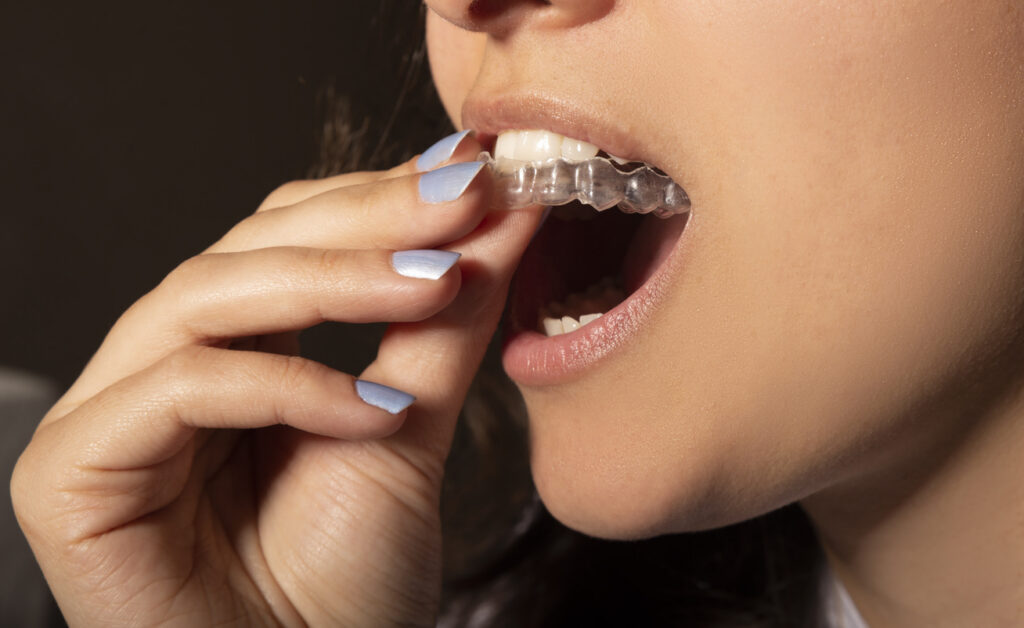
At Morrin Dental, we can identify the early wear patterns that you might miss during a standard check-up. We can then discuss a Night Guard (an occlusal splint), which acts as a protective “buffer” between your upper and lower teeth to preserve your enamel while you sleep.
Final Thoughts
Your teeth are meant to last a lifetime, but bruxism can “age” your smile by decades in just a few years. By identifying the signs early and using a custom-fitted appliance, you can protect your enamel and wake up feeling refreshed rather than restricted.